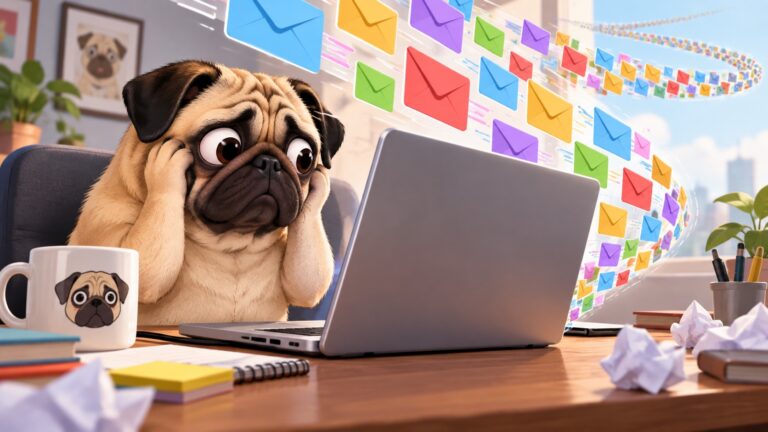

Homes rarely become messy because one dramatic event happens. They become messy because of tiny decisions. A cup goes on the table instead of the dishwasher. A jacket lands on a chair. Mail sits on the counter. One small thing is harmless. Then the small things hold a meeting and become a situation.
My favorite rule is simple: if a task takes about two minutes, do it while you are already there. Put the dish away. Hang up the jacket. Throw away the junk mail. Wipe the spill. Return the scissors to the drawer. This is not a promise to clean all day. It is a way to stop tiny messes from inviting friends.
The rule works because it lowers the pressure. You do not have to “clean the kitchen.” You only rinse the plate. You do not have to “organize the living room.” You put one blanket back on the couch. Those small moves take almost no energy, but they keep the room from reaching the point where cleaning feels impossible.
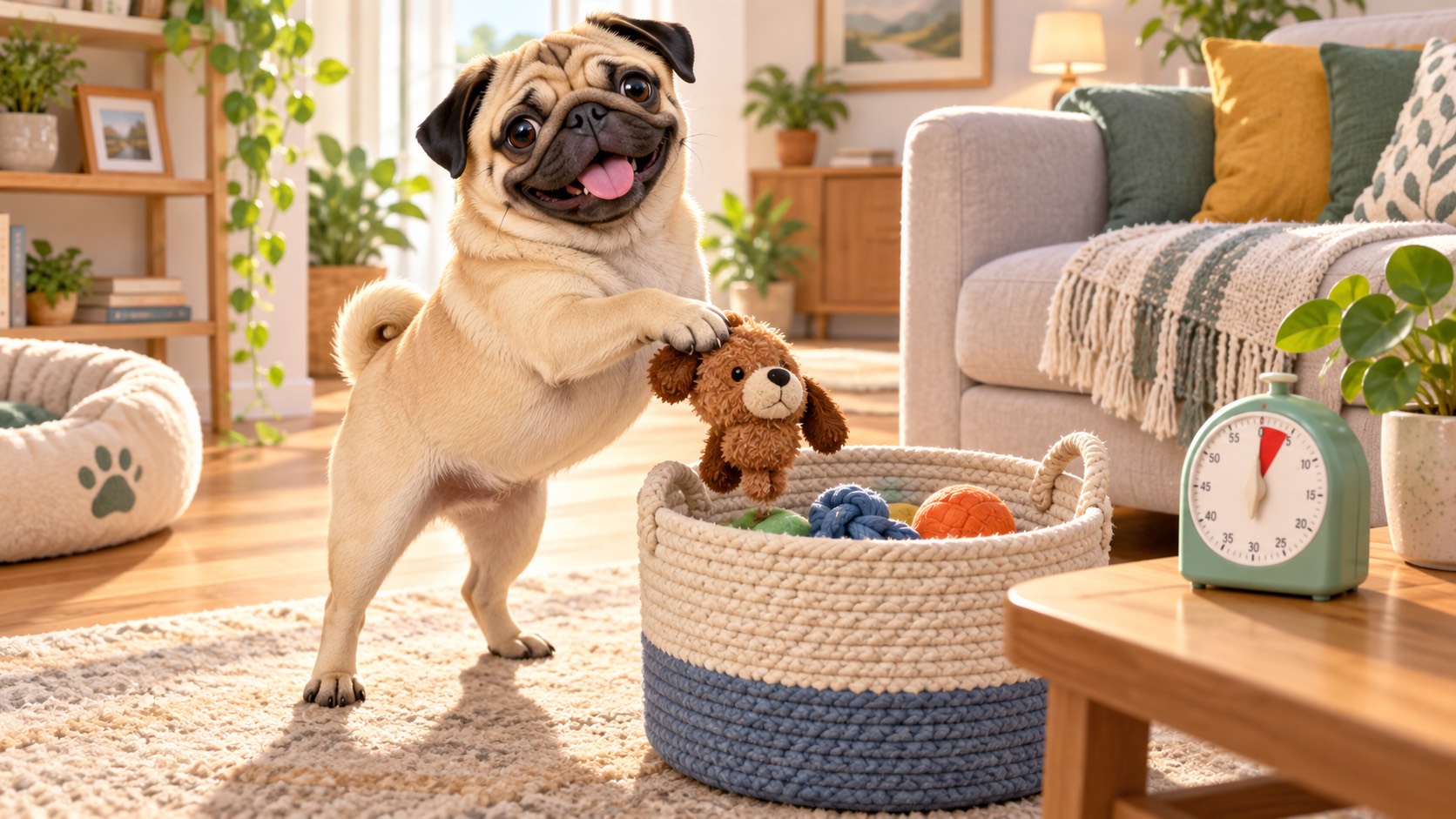
It also helps to give common items a home. Keys need one bowl. Shoes need one spot. Chargers need one drawer. If an item has nowhere to live, it will live on the counter forever. Pugs understand this. A toy without a basket becomes a floor toy. A floor toy becomes a stepping hazard. Then someone says words that are not appropriate for a family blog.
Try the two-minute rule for one week. Do the easy thing before it becomes a bigger thing. Your house will not turn into a magazine photo, and that is fine. It will just feel calmer. A calmer home has more room for good snacks, good conversations, and an uninterrupted place for a hardworking pug to nap.
There is a practical lesson under the joke. Small everyday frustrations deserve simple fixes because people spend real time dealing with them. A better version does not need to be fancy. It just needs to be clear, fair, and useful when someone is tired or in a hurry. That is my official Pug DJ standard: fewer hoops, fewer mysteries, and more time for the parts of the day that actually matter. It is also a good test for any new idea: would this make a normal day easier for someone who is busy, hungry, carrying too many bags, or simply ready to go home?
One last practical thought: good ideas should make ordinary days easier, not ask people to work harder for the same result. That is a standard worth keeping.