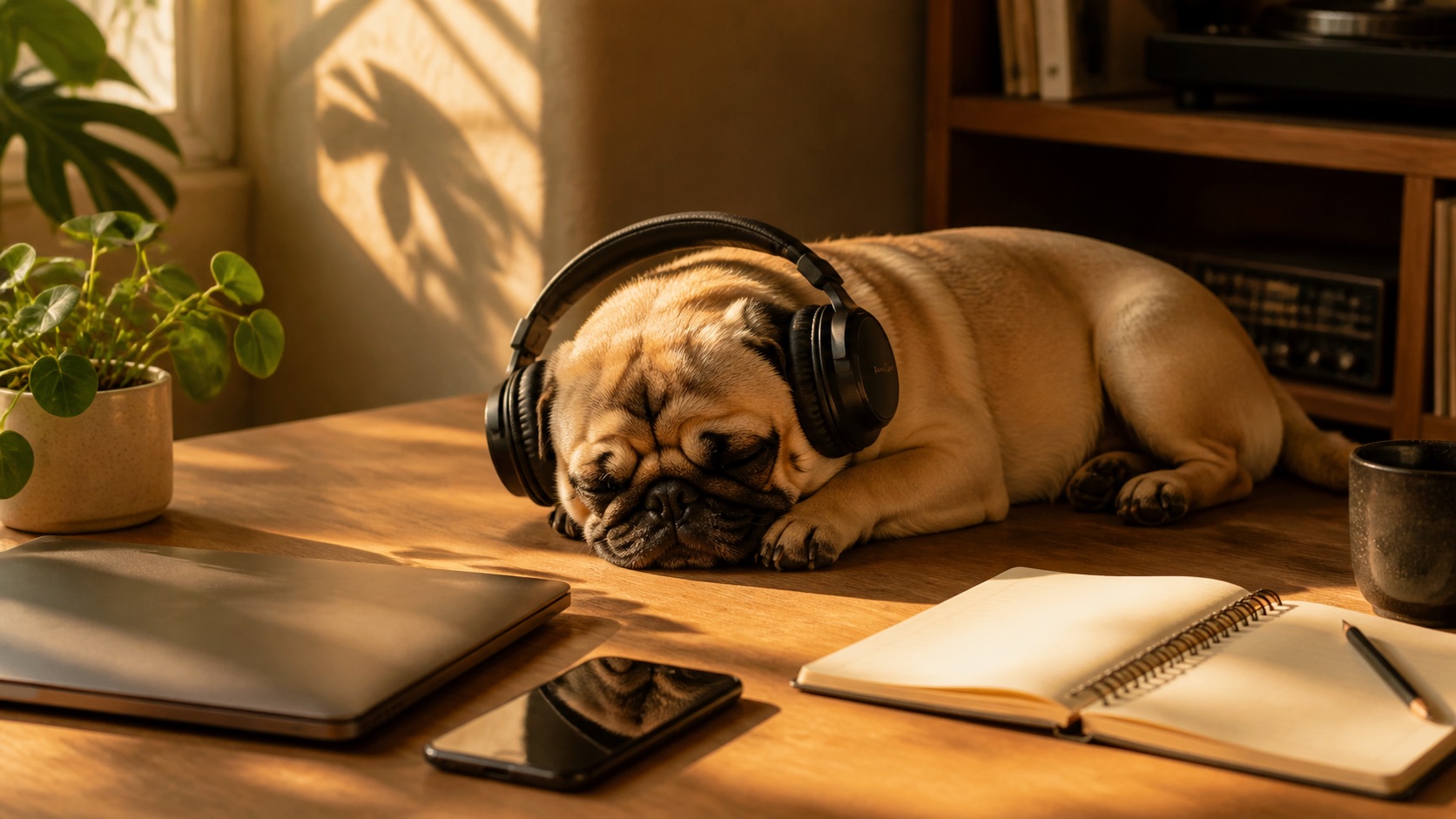

Doing nothing has terrible marketing.
If you spend an hour answering email, you were productive. If you spend an hour fixing a shelf, you accomplished something. If you sit quietly with no screen, no list, and no plan, you may feel as if you wasted time.
But your brain is not a vending machine. You cannot keep pressing buttons and expect a fresh idea to fall out.
Sometimes doing nothing is exactly what helps you do the next thing well.
Rest Is Not the Same as Quitting
Quitting means deciding not to continue. Rest means preparing to continue with more energy.
A phone at one percent battery is not lazy when it needs a charger. A car is not weak because it needs fuel. Yet people often treat their own need for rest like a character flaw.
Real rest supports work. It lowers the chance of careless mistakes, short tempers, and decisions made only because you want the task to end.
Your Brain Keeps Working in the Background
Have you ever remembered a name in the shower or solved a problem while walking? That is not an accident.
When you stop forcing your attention onto one problem, your mind can connect ideas in a looser way. A quiet break gives those connections room to appear.
This does not mean staring at the wall will finish your taxes. It means a short pause can help when effort has stopped producing useful results.
Not Every Break Is Rest
Scrolling through upsetting news may look like a break because you are not working. Your nervous system may disagree.
Rest usually reduces demands. A slow walk, a shower, music, stretching, sitting outside, or petting a dog can give your mind fewer things to process.
The best choice depends on what made you tired. If your body is tired, sit down. If your mind is crowded, reduce information. If you have been alone all day, a calm conversation may restore more energy than another hour by yourself.
Schedule Empty Space Before It Disappears
Unplanned time has a habit of filling itself with errands.
Try protecting a small block of time with no required result. Start with ten or fifteen minutes. Put the phone away. Do not measure steps, finish a podcast, or turn the break into a personal-improvement project.
If sitting still makes you uncomfortable, choose an easy activity with no score: water plants, look out a window, or take a slow walk without tracking it.
Use the Pause as a Check-In
Doing nothing can reveal information that busyness hides.
You may notice that you are hungry, worried, sore, or avoiding one specific decision. You may realize that a task is no longer important. You may simply discover that you are tired.
Do not judge the answer. Notice it. Then choose the next step based on what is actually true instead of what your schedule claims should be true.
Return on Purpose
A helpful pause has an ending. Before the break, decide when you will check in again. Set a gentle timer if needed.
When the pause ends, ask: “Do I have enough energy for the next small step?” If yes, begin. If not, consider whether you need food, sleep, help, or a change in the plan.
This keeps rest from turning into guilty waiting.
The Pug Has Known This All Along
Dogs do not apologize for lying in a warm patch of sunlight. We do not call it a failure to maximize the afternoon. We rest completely, then rise with full commitment when something important happens.
Important things include walks, visitors, and a bag opening anywhere in the house.
You do not need to earn every breath of quiet. Rest is part of a healthy rhythm, not a prize given only when every task is complete. The tasks will never all be complete. That is how tasks reproduce.
So take a real pause. Let your mind wander. Sit in the sunlight if you can.
You are not doing nothing.
You are making room for what comes next.
Snorts and an extremely productive nap,
Pug DJ